01

Human Capability and Skill in Robotic Assistance
How can robots help people accomplish tasks while preserving and potentially developing human capability and skill over time?
H-CORD Lab · Human-Centered Robotics
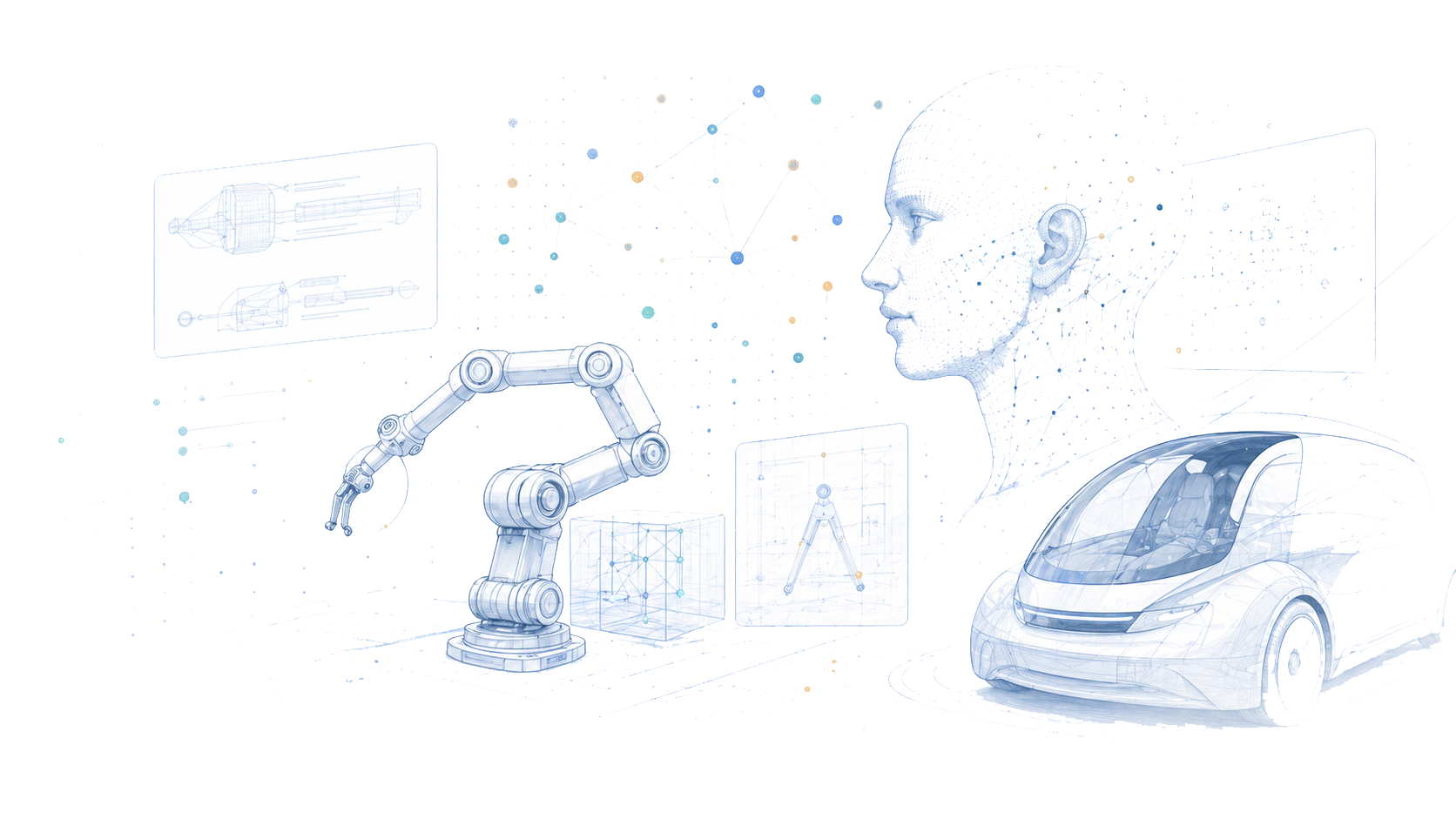
H-CORD Lab focuses on Human-Centered Robotics, investigating how increasing robot capability, autonomy, and social presence reshape human capability, agency, and roles, and how robotic systems should be designed to support effective, sustainable, and human-compatible collaboration.
How can robots help people accomplish tasks while preserving and potentially developing human capability and skill over time?

As robot autonomy increases, how can people retain effective understanding, intervention, control, and meaningful agency?

How should robots understand situations and act in real social and work environments involving multiple people with different roles, relationships, rights, and needs?
Complex tasks, field operations, inspection, maintenance, and industrial environments provide key contexts for system research and validation.

Assistive, ageing, rehabilitation, home, and service settings provide contexts for studying human capability, agency, and roles.